
Blog guide
Cherry Blossom Season in Tokyo — Complete 2026 Guide
Published September 22, 2026 | By JDM Tokyo Tours
1
Cherry Blossom Season in Tokyo — Complete Guide
Cherry blossom season is the single most requested Tokyo travel window, and for good reason — sakura in full bloom is a genuinely extraordinary sight, transforming parks and riverbanks across the city into pink-white canopies for roughly two intense weeks each spring. It's also Tokyo's most crowded, most expensive, and most logistically demanding travel period. Here's how to navigate it properly.
When Does It Actually Happen?
Tokyo's cherry blossoms typically reach full bloom (mankai) in the last week of March or first week of April, though the exact date shifts year to year by up to two weeks depending on winter weather. The full cycle — first bloom to petals falling — spans roughly two to three weeks, but peak bloom itself lasts only about one week.
The Japan Meteorological Corporation and several private forecasting services publish sakura forecasts starting in January, refining predictions as the season approaches. Checking these closer to your travel dates (rather than booking based on "typically early April") meaningfully improves your odds of catching peak bloom.
The Best Spots in Tokyo
Meguro River — Roughly 800 cherry trees line the river through Nakameguro, illuminated at night during peak bloom. Less crowded than the famous parks, with excellent nearby cafés for viewing from a seat rather than a crowded path.
Shinjuku Gyoen — A large, paid-entry park (¥500) with over 1,000 cherry trees across multiple varieties with staggered bloom times, meaning it often offers blossoms slightly before or after the citywide peak. The entry fee genuinely helps manage crowds compared to free parks.
Ueno Park — Tokyo's most famous hanami (blossom viewing) spot, with over 1,000 trees and a genuinely festive atmosphere — food stalls, blue tarps for picnicking, crowds in full celebratory mode. The most "traditional hanami experience" option, with correspondingly the largest crowds.
Chidorigafuchi — Cherry trees along the Imperial Palace moat, with rowboat rentals available for a unique water-level view. Particularly striking, and somewhat less crowded than Ueno.
Yanaka Cemetery — An unconventional but genuinely beautiful option — cherry trees lining pathways through Tokyo's most historic cemetery, with a quieter, more contemplative atmosphere than the party parks.
Practical Planning for Sakura Season
Book everything 2–3 months ahead. This is Tokyo's highest-demand period — hotels, popular restaurants, and any bookable experience should be locked in well before typical booking windows for other seasons.
Prices spike accordingly. Accommodation costs frequently run 30–50% above off-season rates during peak bloom weeks. Building this into budget expectations avoids unpleasant surprises.
Weekday visits to viewing spots beat weekends significantly. Ueno Park on a Saturday during peak bloom is genuinely difficult to move through comfortably; the same park on a Tuesday morning is considerably more pleasant.
Have a backup date range if possible. Because bloom timing shifts year to year, travellers with flexible dates (rather than fixed to a specific week) have meaningfully better odds of catching peak bloom rather than arriving just before or after.
What Sakura Season Doesn't Change
It's worth knowing that cherry blossom season, despite dominating Tokyo travel discourse, doesn't actually affect most of the city's other experiences — restaurants, transit, shopping and most attractions operate normally, just busier. One specific area of Tokyo that continues entirely unaffected by sakura crowds: the city's night-time car culture.
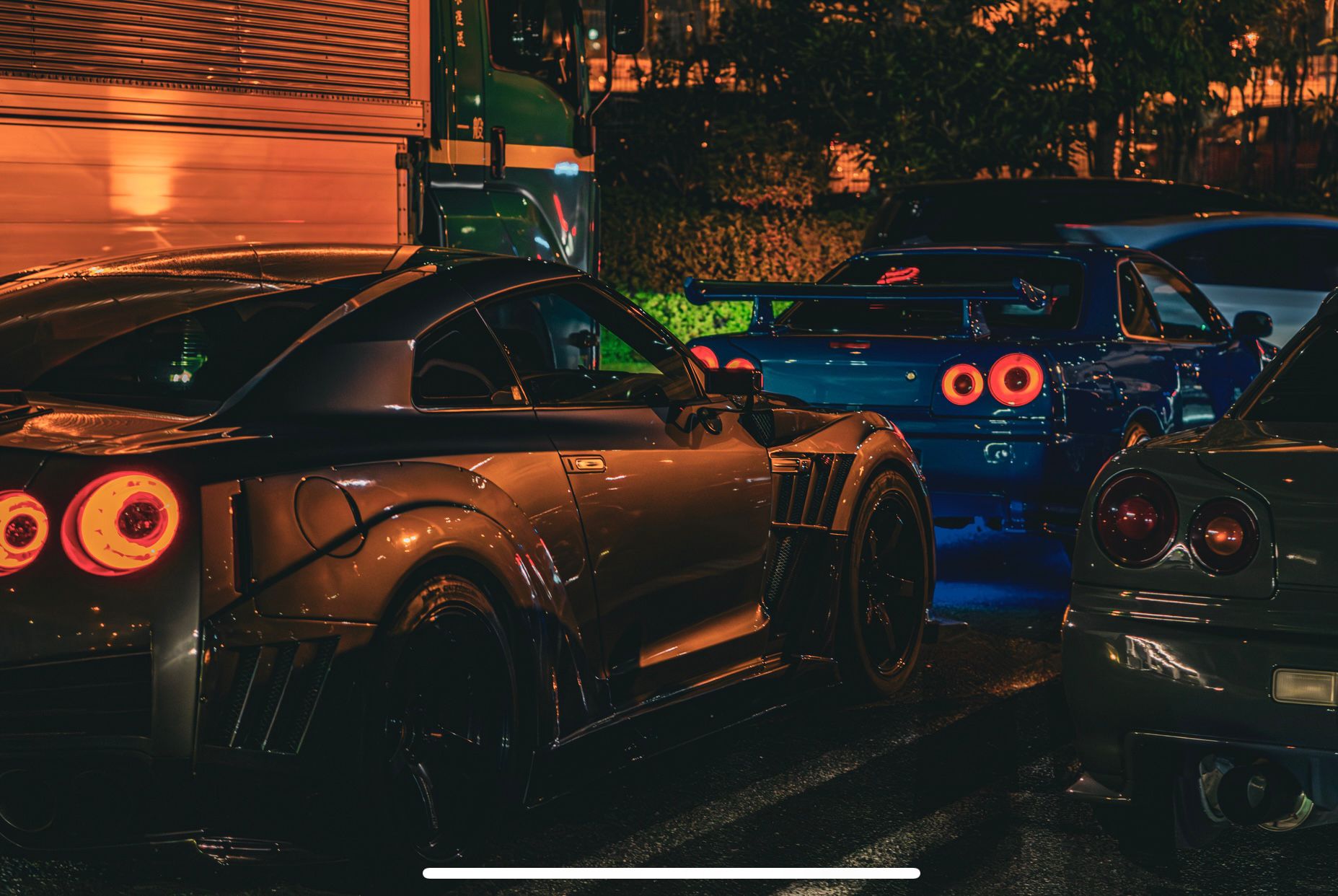
Daikoku Parking Area's weekend car meets run year-round regardless of cherry blossom timing — Friday and Saturday nights bring the same gathering of rare Japanese sports cars whether it's peak sakura week or the depths of February. For visitors specifically timing a trip around cherry blossoms, adding a JDM night tour is one of the few Tokyo experiences that doesn't require competing with sakura-season crowds — it's simply unaffected by the seasonal surge, though as with any weekend during Tokyo's busiest travel period, booking your specific date slightly further ahead is still sensible.
A Sample Sakura-Season Itinerary Adjustment
If cherry blossoms are the priority, build the trip around flexibility: arrive with a 2-3 day buffer around your target bloom window, prioritise Shinjuku Gyoen and Chidorigafuchi (less crowded, longer-blooming varieties) over Ueno if crowds concern you, and shift any bookable evening experiences — including a JDM night tour — to early in the trip in case unpredictable weather (spring rain can strip blossoms quickly) shifts your other plans later.
Quick Reference
DetailInfoTypical peak bloomLast week March – first week AprilBloom duration (full cycle)2–3 weeks; peak itself ~1 weekBook accommodation2–3 months aheadLeast crowded viewing spotsMeguro River, Yanaka CemeteryMost crowded viewing spotUeno Park (also most festive)Unaffected by sakura crowdsDaikoku PA car culture, runs year-round
Add an evening unaffected by sakura crowds: JDM Tokyo Tours, private night tours from Akihabara. ¥90,000 per car, up to 3 guests. Instagram @jdmtokyotours.