
Blog guide
Fast & Furious Tokyo Drift Real Locations - Where Were They Actually Filmed?
Published May 18, 2026 | By JDM Tokyo Tours
Fast & Furious: Tokyo Drift came out in 2006 and did something no car movie had done quite as effectively before - it introduced an entire generation to JDM culture, Tokyo's car scene and the specific combination of neon-lit highways, underground garages and spontaneous races that defined a city's automotive identity.
Eighteen years later, that film still drives significant interest in Tokyo's real car locations. Here is a complete breakdown of where Tokyo Drift was actually filmed, what those locations look like today, and how car enthusiasts can visit them.
The First Thing to Know: Most of It Wasn't Filmed in Tokyo
This surprises people. Fast & Furious: Tokyo Drift was filmed primarily in Los Angeles, not in Japan. The production used LA streets, warehouses and parking structures dressed to look like Tokyo, combined with second-unit footage of actual Tokyo locations.
The real Tokyo filming was limited - primarily establishing shots, background plates and sequences where the actual geography of the city was important to the story. The drift sequences themselves and most of the interior racing scenes were filmed in California.
This doesn't diminish the film's connection to Tokyo car culture - the aesthetic, the cars and the cultural references were drawn directly from the real scene. But when people ask where specific scenes were filmed, the honest answer for most sequences is: not in Tokyo.
Real Tokyo Locations Used in the Film
Shibuya Scramble Crossing. The famous pedestrian crossing at Shibuya Station - one of the most photographed intersections in the world - appears in Tokyo Drift as establishing context for the city. It remains one of Tokyo's most visited landmarks and is easily accessible by train.
Daikoku Parking Area. Daikoku PA appears in Tokyo Drift as the setting for underground car meet culture, and its depiction is more accurate to the real location than many Hollywood productions manage with their settings. The structure, the atmosphere and the types of cars shown are genuine reflections of what actually happens there.
The real Daikoku PA is located on the Shuto Expressway interchange near Yokohama. It remains active and is, if anything, more extraordinary than its film depiction.
Shuto Expressway and Highway Sequences. The highway racing sequences reference the actual Shuto Expressway network - the elevated urban highway system that runs through central Tokyo and along the Wangan Bayshore Route. The real roads look exactly like this, and driving them at night in a modified car is an experience that needs no Hollywood enhancement.
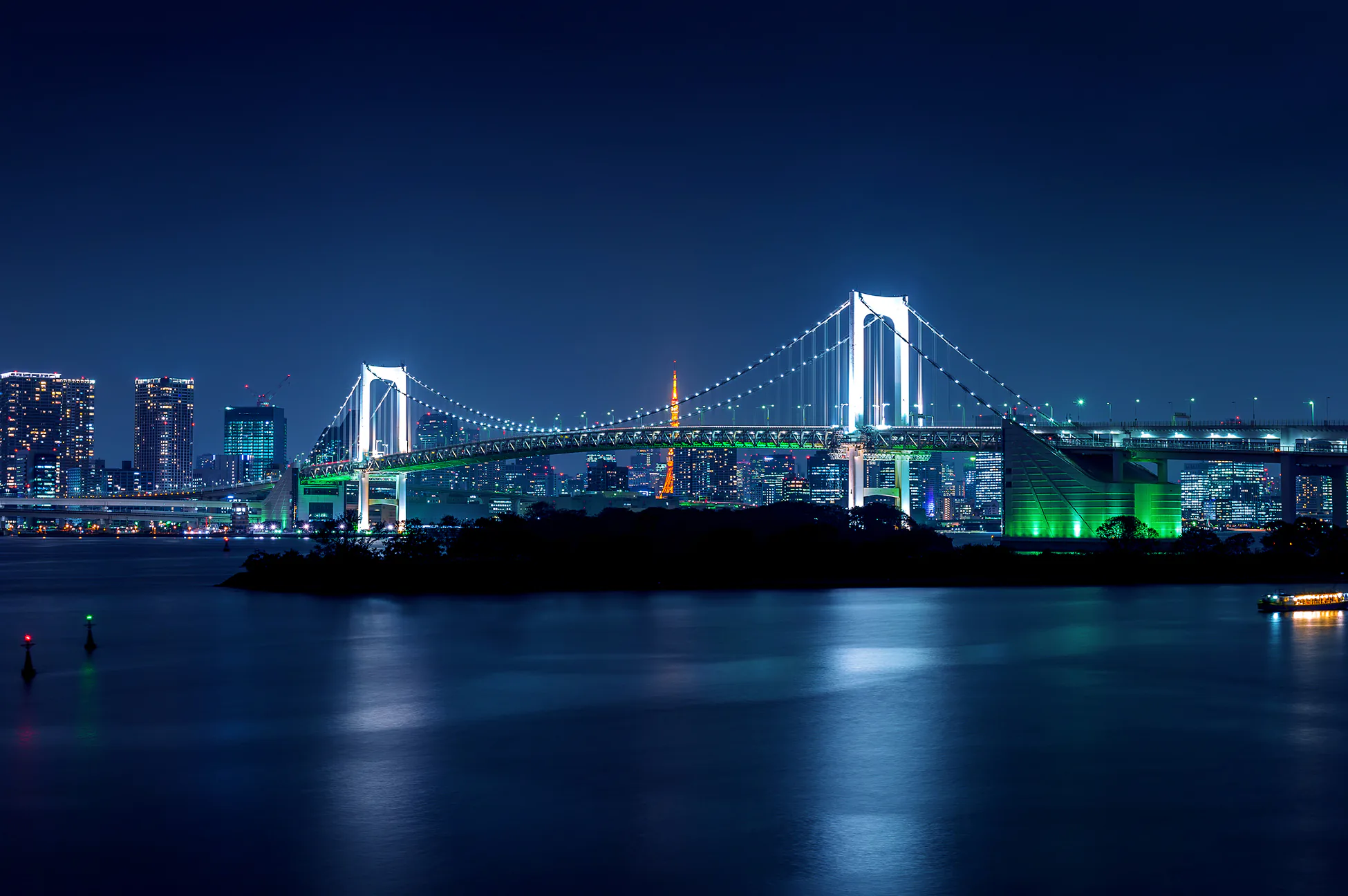
Odaiba. The artificial island in Tokyo Bay featuring the Rainbow Bridge and Fuji TV building appears in the film's visual language as a backdrop for the elevated, futuristic version of Tokyo that the production wanted to project. Odaiba remains a popular destination and the Rainbow Bridge is visible from the Wangan route.
Locations Referenced in the Film That You Can Visit
Several real Tokyo locations connect directly to the cultural world depicted in Tokyo Drift, even if they weren't primary filming locations.
Daikoku PA. The most direct real-world version of the film's car meet sequences. On a good Friday or Saturday night, the actual Daikoku PA is more impressive than anything the film depicted.
The Wangan Bayshore Route. Driving this highway at night in a JDM sports car - which is exactly what guided tours offer - is as close as you will get to experiencing the film's highway atmosphere in reality. The elevated sections over Tokyo Bay, the city lights, the specific quality of the road at night - all of it corresponds to the film's visual references.
Shibuya, Shinjuku, Akihabara. The dense urban environments used as establishing context in Tokyo Drift are simply Tokyo. Walking through Shibuya at night or driving through Shinjuku in a modified car gives you the atmospheric context the film drew on.
Touge Mountain Passes. The film's mountain drifting sequences reference the touge culture that became internationally famous through Initial D. Real mountain passes - particularly in Gunma prefecture, which is the fictional setting for Initial D - are accessible by rental car or guided tour.
What's Changed Since 2006
The JDM car scene depicted in Tokyo Drift was drawn from the mid-2000s Japanese street racing culture at its peak. Some things have changed.
The cars that appeared as common in the film - R34 Skyline GT-Rs, FD RX-7s, early R35s - are now significantly more valuable. R34s that sold for JPY 2-3 million in the early 2000s now command JPY 15-40 million. They still appear at Daikoku PA and other meets, but they are no longer everyday street cars - they are investments that their owners cherish and display.
The social media era has also changed the scene's character. Daikoku PA is more photographed than ever, and international visitor numbers have increased substantially. This has made some aspects of the culture more accessible to tourists while also changing the atmosphere compared to the mid-2000s period.
The underlying enthusiasm, however, is unchanged. Japanese car culture remains genuinely alive at Daikoku PA, Tatsumi PA and on the Wangan route.
How to Experience the Real Tokyo Drift World
Visit Daikoku PA on a Friday or Saturday night. This is the single most direct real-world equivalent to the film's car meet sequences. See the actual cars, the actual atmosphere and the actual culture that inspired the film.
Drive the Wangan route at night. The Bayshore Expressway at night, in a real JDM car, is the closest real-life equivalent to the film's highway sequences.
Explore Shibuya, Shinjuku and Akihabara. These neighbourhoods provide the urban backdrop context that the film used, and Akihabara in particular has strong connections to Tokyo's car culture as a hub for JDM enthusiast activity.
Take a guided JDM tour. JDM Tokyo Tours covers Daikoku PA, the Wangan route, Tatsumi PA and the real locations of Tokyo's JDM scene in a single night from Akihabara. Up to 3 guests, English-speaking guide, JPY 90,000 per car.
Frequently Asked Questions
Was the parking garage scene in Tokyo Drift filmed in a real Tokyo garage?
The multi-storey parking structure sequences were primarily filmed in Los Angeles. However, similar structures exist throughout Tokyo.
Can I visit the exact filming location of the final race?
The final mountain race sequences were filmed in California with Japanese location overlays. There is no single Tokyo location that corresponds to the film's climax.
Is Tokyo's car culture still like what's shown in the film?
The spirit is accurate - the cars, the atmosphere and the culture of nocturnal gathering are all real. The specific decade depicted, the mid-2000s, has passed, but the cultural reality it drew from continues.
What's the closest real-world experience to being in Tokyo Drift?
Arriving at Daikoku PA at 10pm on a Friday night in a modified GT-R is a reasonable answer to that question.
Experience Tokyo's Real JDM Scene
JDM Tokyo Tours starts from Akihabara and covers the culture that Fast & Furious drew from: Daikoku PA, Tatsumi PA, the Wangan route and Tokyo's real JDM night scene. Compare the tour formats or book via Instagram @jdmtokyotours.