
Blog guide
Iconic Japanese Sports Cars — A Guide to What You'll See in Tokyo
Published October 13, 2026 | By JDM Tokyo Tours
1
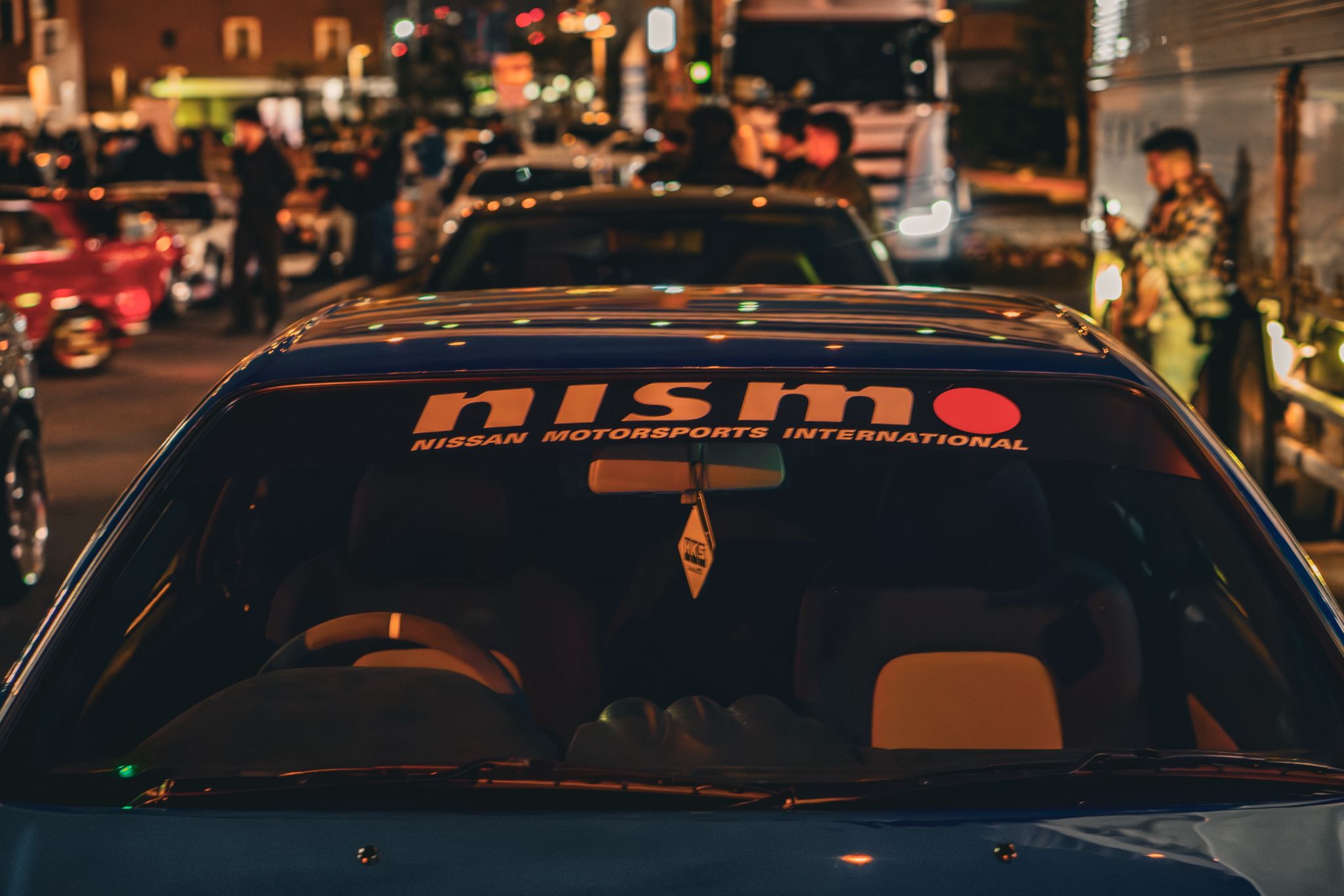
Iconic Japanese Sports Cars — A Guide to What You'll See in Tokyo
You don't need to be a dedicated car enthusiast to recognize that Japanese sports cars from the 1990s and early 2000s occupy a specific, mythologized place in car culture worldwide. Games, films, and decades of enthusiast obsession have turned a handful of specific models into genuine icons — recognizable even to people who couldn't name the manufacturer of any other car on the road.
If you're heading to Tokyo and want to actually understand what you're looking at when you encounter these cars in person, here's the essential guide.
Nissan Skyline GT-R (R32, R33, R34, R35)
Nicknamed "Godzilla" for its dominance in Australian touring car racing in the early 1990s (a nickname that stuck globally), the Skyline GT-R built its reputation on all-wheel-drive traction, sophisticated electronics for its era, and genuinely underrated official horsepower figures — a result of a gentleman's agreement among Japanese manufacturers to cap advertised outputs at 280hp, regardless of true performance.
The R34, produced 1999–2002, remains the most culturally significant generation — thanks largely to its starring role in gaming (Gran Turismo) and film (Fast & Furious), it's become something close to a grail car for a generation of enthusiasts who grew up seeing it in media before ever seeing one in person. Original R34s now command significant prices, reflecting genuine collector status.
Toyota Supra (MK4 / JZA80)
Powered by the legendary 2JZ engine — famous in tuning circles for its ability to handle enormous power increases while retaining factory-level reliability — the fourth-generation Supra (1993–2002) became a global icon partly through motorsport, partly through gaming and film culture. Its distinctive silhouette is instantly recognizable even to people with minimal car knowledge, largely thanks to its Fast & Furious appearances.
Mazda RX-7 (FD3S)
The last of Mazda's rotary-engined sports cars, the third-generation RX-7 (1991–2002) is beloved for its perfectly balanced chassis, striking styling, and an engine type — the rotary — that has genuinely never returned to mainstream production since. The sound of a well-maintained rotary engine is distinct from anything else on the road; hearing one in person, especially at a car meet where several might be running simultaneously, is a specific experience worth the trip alone.
Honda NSX
Developed with input from Formula One legend Ayrton Senna, the original NSX (1990–2005) was Japan's answer to Ferrari — mid-engined, aluminum-bodied, and engineered with a level of everyday usability that European exotics of the era genuinely lacked. It remains one of the most respected Japanese performance cars from any era.
Mitsubishi Lancer Evolution & Subaru Impreza WRX STI
Both born from World Rally Championship homologation requirements, these cars wear the bodies of ordinary family sedans while carrying genuine competition-derived engineering underneath — turbocharged, all-wheel-drive, and capable of embarrassing dedicated sports cars on the right road. Their rally pedigree gives them a different cultural flavor from the more purely street/track-focused cars above.
Toyota AE86 (Corolla Levin / Sprinter Trueno)
A humble, lightweight rear-wheel-drive coupe from the 1980s that became legendary specifically through Initial D — the manga and anime series about mountain pass drift racing. The AE86 isn't fast by modern standards, but its cultural weight, particularly among fans who discovered JDM culture through Initial D, is enormous. August 6th is celebrated within the community specifically as "8's Day" for AE86 owners.
Where You'll Actually See These Cars in Tokyo
Museums and static displays exist, but the cars above are genuinely alive in Tokyo's car culture — specifically at Daikoku Parking Area, a highway interchange near Yokohama where owners of exactly these vehicles gather every Friday and Saturday night. This isn't a curated collection; it's a real, ongoing community that has met at this spot for decades, independent of any tourist interest in it.
Seeing several generations of GT-R parked beside an FD RX-7, beside an AE86, beside a JZA80 Supra — engines running, owners discussing their cars — delivers a completely different understanding of these vehicles than any static museum display could.
Getting There
Daikoku PA cannot be reached by train or on foot — it's a highway-only location, which means independent access requires a rental car and considerable local knowledge about timing and navigation. JDM Tokyo Tours runs private guided evenings from Akihabara specifically solving this problem: a real JDM sports car, an English-speaking guide active in the local scene, and a route covering the Wangan highway, Daikoku PA at peak hours, and often Tatsumi PA.
Maximum 3 guests per car, ¥90,000 flat rate, roughly 4 hours from Akihabara pickup to return.
See these icons in person, not behind glass: JDM Tokyo Tours, private night tours from Akihabara. ¥90,000 per car, up to 3 guests. Instagram @jdmtokyotours.