
Blog guide
Solo Travel in Tokyo — A Complete Guide (2026)
Published August 19, 2026 | By JDM Tokyo Tours
1
Solo Travel in Tokyo — A Complete Guide
Tokyo consistently ranks among the best cities in the world for solo travellers, and once you're there, it's obvious why. Public transport is flawless and safe at any hour. Eating alone isn't just accepted — it's built into the culture, with counter seating designed for solo diners at ramen shops, sushi counters and standing bars. Crime rates are remarkably low, and solo women in particular report feeling safer walking Tokyo at 2am than most cities at 8pm.
Here's how to make the most of it.
Why Tokyo Works So Well Solo
Eating alone is normal, not awkward. Counter seating is the default at ramen shops, sushi restaurants, yakitori stalls and standing bars — you'll often be seated next to other solo diners rather than at an obviously empty table for two. Ichiran's individual booth seating is the extreme version of this design philosophy.
Safety is genuinely exceptional. Violent crime is rare, phones and bags left on café tables to save seats are a real thing people do, and walking home alone at night — for any gender — is standard behaviour rather than a risk calculation.
The transport system removes friction. No need to coordinate schedules, negotiate routes or manage anyone else's preferences. Trains run precisely, signage is bilingual, and Google Maps handles routing flawlessly.
Silence is respected. Japanese social norms favour quiet in public spaces — trains, cafés, waiting areas. For solo travellers who want to observe rather than perform sociability, this is a genuine relief compared to more conversational travel cultures.
Where to Stay Solo
Capsule hotels and business hotels (a Japanese category distinct from Western budget hotels — small, spotlessly clean, efficiently designed) are ideal for solo travel: private, secure, and priced well below equivalent Western hotel rooms. Shinjuku, Shibuya and Akihabara all offer strong options at this tier.
For solo travellers wanting more social contact, hostels with common areas (particularly in Asakusa) provide easy opportunities to meet other travellers without committing to a group tour for everything.
Solo-Friendly Food — No Reservation Anxiety
Ramen counters, standing sushi bars (tachigui), yakitori stalls under train tracks, and conveyor belt sushi are all built for solo dining with zero social friction. Depachika food halls (department store basements) let you assemble an excellent solo meal without sitting anywhere at all. For a bigger solo splurge, counter-seat kaiseki or omakase restaurants often specifically favour solo diners — you get the chef's full attention.
The Solo Nightlife Question
Golden Gai in Shinjuku is essentially designed for solo travellers — most of its 200+ tiny bars seat six to eight people at a single counter, meaning conversation with strangers is the default social mode rather than an intrusion. Walking in alone and picking a bar with a free stool is completely normal here, more so than almost anywhere else in the world.
Jazz kissa (listening cafés) offer the opposite mode — solo, silent, contemplative, no expectation of interaction at all.
Solo Travel and Tokyo's Night Car Culture
This is worth its own section because it's a genuinely excellent solo experience that most people wouldn't think to book alone.
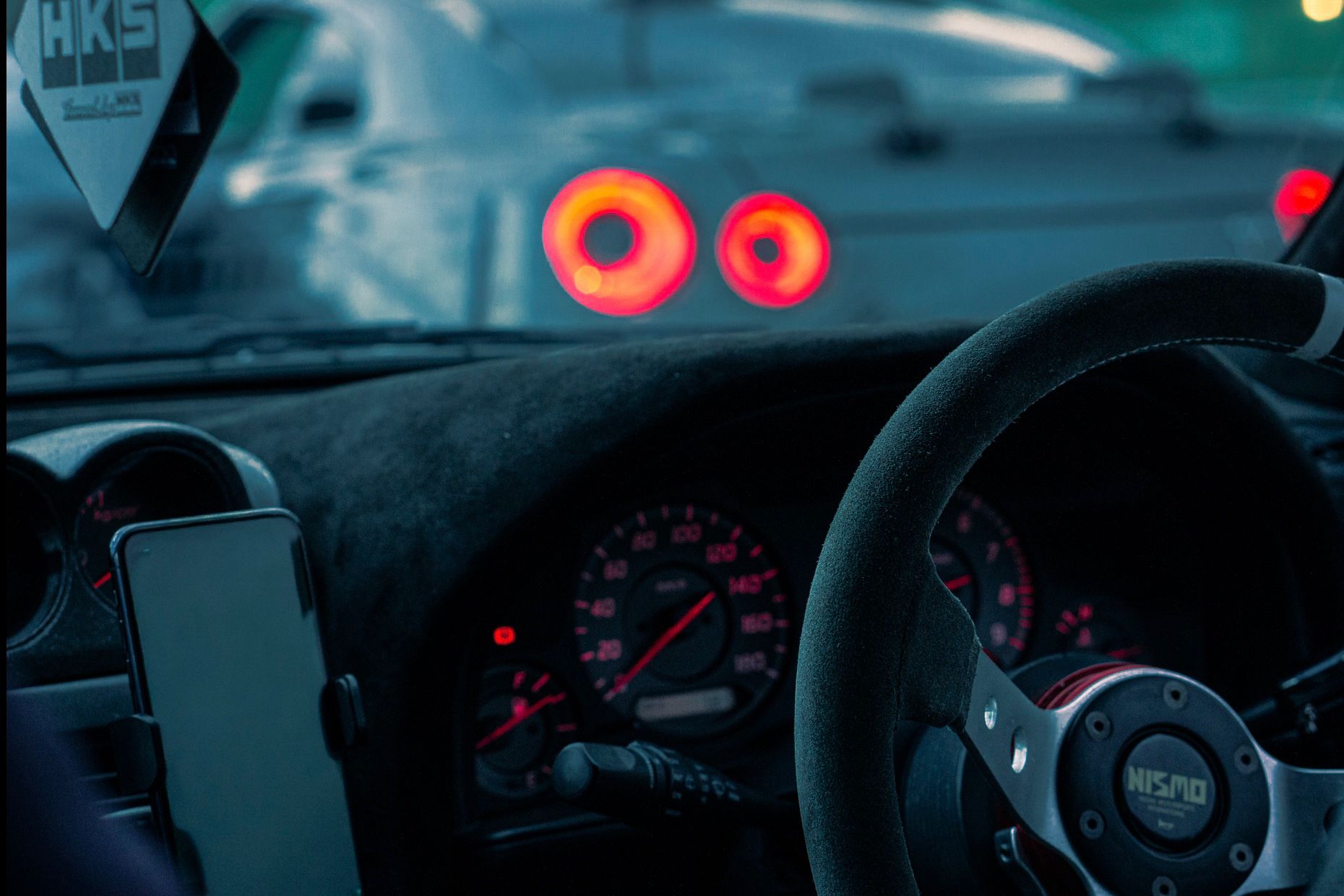
Daikoku Parking Area — the spontaneous JDM car meet spot near Yokohama — is naturally a solo-friendly environment. Car culture spaces like this are inherently social in a low-pressure way: people are there because of shared enthusiasm for the cars, conversations start easily around a specific vehicle, and nobody expects you to have brought a group.
The access barrier remains the same regardless of solo or group travel: no train, no pedestrian entry, requires a car. JDM Tokyo Tours runs private tours specifically built for small numbers — solo travellers frequently book a spot alongside one or two other guests, or the full car if travelling with a friend. The guide, being an active part of the local car scene, naturally facilitates conversation with car owners at the venue — genuinely useful for a solo traveller who wants to engage rather than just observe from the sidelines.
At ¥90,000 per car for up to 3 guests, a solo traveller pairing up with the operator to fill remaining seats, or splitting with one or two people met earlier in the trip, keeps costs reasonable while delivering one of Tokyo's most distinctive nights.
Practical Solo Travel Notes
Get a Suica/Pasmo card immediately — the single biggest quality-of-life improvement for solo navigation.
Convenience stores solve most solo-travel friction — food, ATMs, basic supplies, all available at 2am with zero social overhead.
Language barrier is manageable, not absent. English signage covers transit and major attractions; Google Translate's camera function handles menus and signs. For anything requiring real conversation — including the kind of engagement that makes car culture spots worthwhile — a guide who speaks Japanese changes what's accessible to you.
Solo doesn't mean isolated. Hostels, Golden Gai, and small-group tours (2-4 people) offer easy, low-pressure ways to have social moments within an otherwise independent trip, without committing to full group tourism.
Solo or with company: JDM Tokyo Tours runs private night tours from Akihabara, up to 3 guests per car. ¥90,000 flat. Book via Instagram @jdmtokyotours.