
Blog guide
Tokyo at Night — The Complete Guide
Published July 22, 2026 | By JDM Tokyo Tours
1
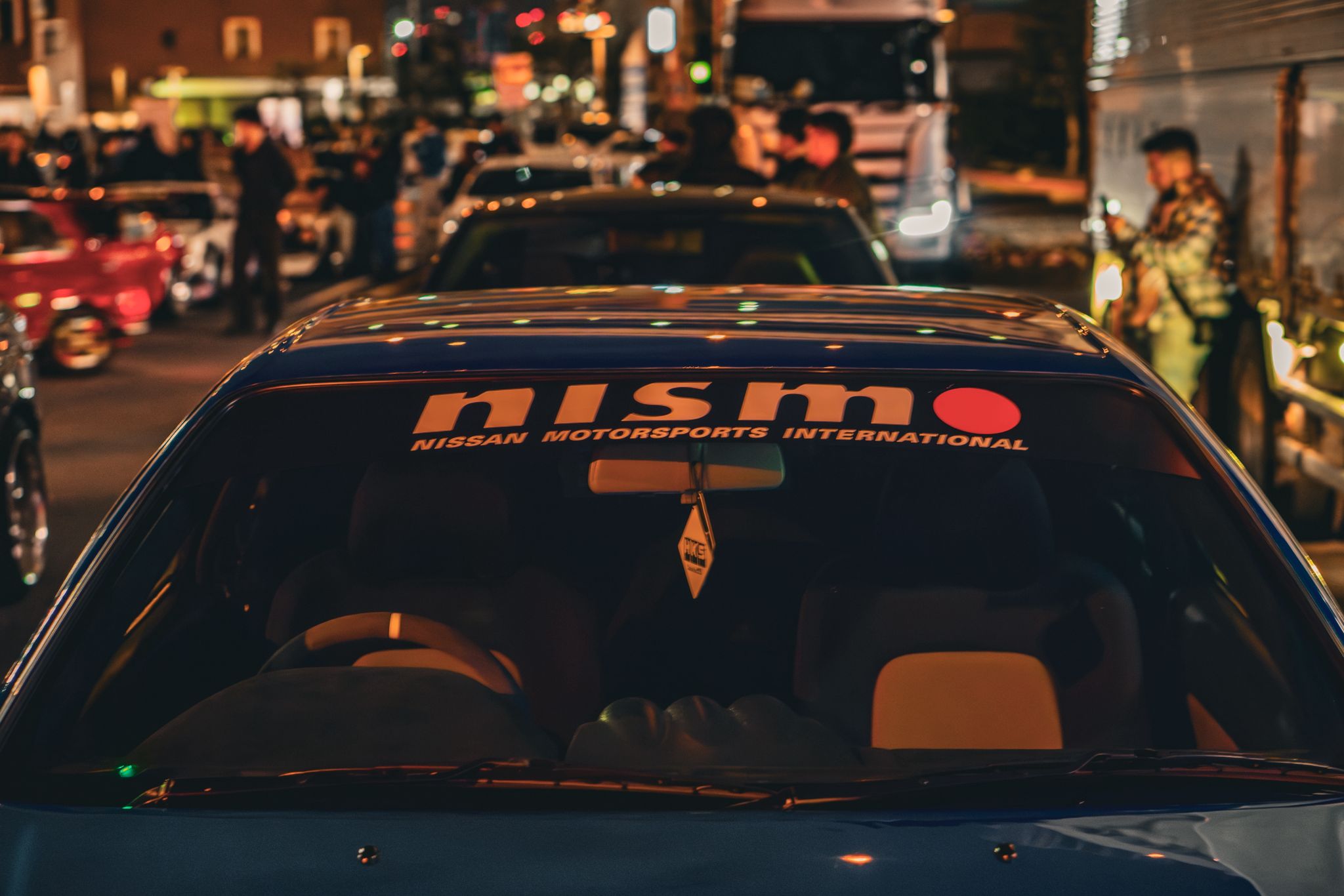
Daytime Tokyo is impressive. Night-time Tokyo is the reason people fall in love with the city. After dark, Tokyo stops being a collection of attractions and becomes an atmosphere — neon canyons, lantern-lit alleys, elevated highways glowing over the bay, and subcultures that only surface after 10pm.
This guide covers the full range of Tokyo at night — from the famous to the genuinely hidden.
The Classic Night Districts
Shinjuku — The definitive Tokyo night. Kabukicho's neon chaos, Omoide Yokocho's smoky yakitori lanes, and Golden Gai — six alleys, 200+ bars, most seating fewer than eight people. Pick one with a free stool and see what happens.
Shibuya — Younger and louder. The crossing is hypnotic at night; the backstreets of Dogenzaka hide excellent bars and clubs. Nonbei Yokocho ("Drunkard's Alley") is Golden Gai's smaller, calmer cousin.
Ginza — Tokyo at night in a suit. High-end cocktail bars, some of the world's best whisky selections, and a polished quiet that contrasts everything above.
Ebisu & Nakameguro — Where locals actually drink. Standing bars, natural wine, canal-side strolls. Less spectacle, more texture.
Night Views Worth the Effort
Shibuya Sky — Book the slot 30 minutes before sunset and watch the city switch on beneath you.
Tokyo Metropolitan Government Building — Free, open late, and the north tower's view toward Shinjuku's neon is arguably better than paid decks.
Rainbow Bridge from the water or the highway — The bridge and bay at night are Tokyo's most cinematic view — and the best way to see them isn't from a static deck at all. More below.
Late-Night Food — Tokyo Never Really Closes
Ramen after midnight is a Tokyo institution — Ichiran and Fuunji run late, and countless local counters serve until 3–4am. Don Quijote stores (24h) are their own surreal night experience. Convenience stores fill every gap with genuine quality.
The Night Tokyo Most Tourists Never See — Highway Car Culture
Here's what no standard nightlife guide tells you: some of Tokyo's most extraordinary night-time energy isn't in any district. It's on the elevated expressways over the bay, and in the parking areas beneath them.
Every Friday and Saturday night, Daikoku Parking Area — a highway interchange near Yokohama — fills with hundreds of rare Japanese sports cars. Skyline GT-Rs, Supras, RX-7s, NSXs; heavily modified builds and museum-grade originals side by side. It's not an event. Nobody organises it. It has simply been happening for decades, and it remains one of the most visually striking spontaneous gatherings anywhere in the world.
The Wangan Bayshore Route — the elevated highway running along Tokyo Bay, past Rainbow Bridge and the glowing waterfront — is the connective tissue of this scene, and driving it at night in a Japanese sports car is an experience the observation decks can't touch.
The access problem: Daikoku PA has no train station and no pedestrian entry. Taxis can drop you but can't wait, leaving you stranded. This entire layer of Tokyo's night is effectively invisible to tourists without a car and local knowledge.
The solution: JDM Tokyo Tours runs private guided night tours from Akihabara — a real JDM sports car, an English-speaking guide who's active in the scene, maximum 3 guests. The evening covers the Wangan at night, Rainbow Bridge, Daikoku PA at peak hours, and Tatsumi PA — the insider spot. If police disperse Daikoku (a regular rhythm of the scene), the guide follows the cars to wherever they regroup.
¥90,000 per car flat — roughly $200 per person in a group of three. Among everything on this page, it's the night experience people most often call the highlight of their entire Japan trip.
Building Your Perfect Tokyo Night — Three Templates
The Classic: Omoide Yokocho yakitori → Golden Gai bar-hop → midnight ramen in Shinjuku.
The Elegant: Ginza cocktail bar → kaiseki or sushi dinner → night walk through quiet Marunouchi.
The Unforgettable: Early izakaya dinner in Akihabara → JDM night tour (Wangan, Rainbow Bridge, Daikoku PA) → convenience-store beers back at the hotel, wondering what just happened.
Do all three on different nights. That's Tokyo done properly.
Practical Night Notes
Trains stop around midnight–1am; night buses and taxis fill the gap, or choose experiences with transport included. Tokyo at 3am is safer than most cities at 3pm — solo night walks are genuinely fine. Weekends amplify everything: districts get busier, and the car culture scene only truly runs Friday and Saturday.
See Tokyo's hidden night: JDM Tokyo Tours, Akihabara. ¥90,000/car, up to 3 guests, English guide. Book via Instagram @jdmtokyotours.