Blog guide
Tokyo Packing List — What You Actually Need (2026 Guide)
Published September 1, 2026 | By JDM Tokyo Tours
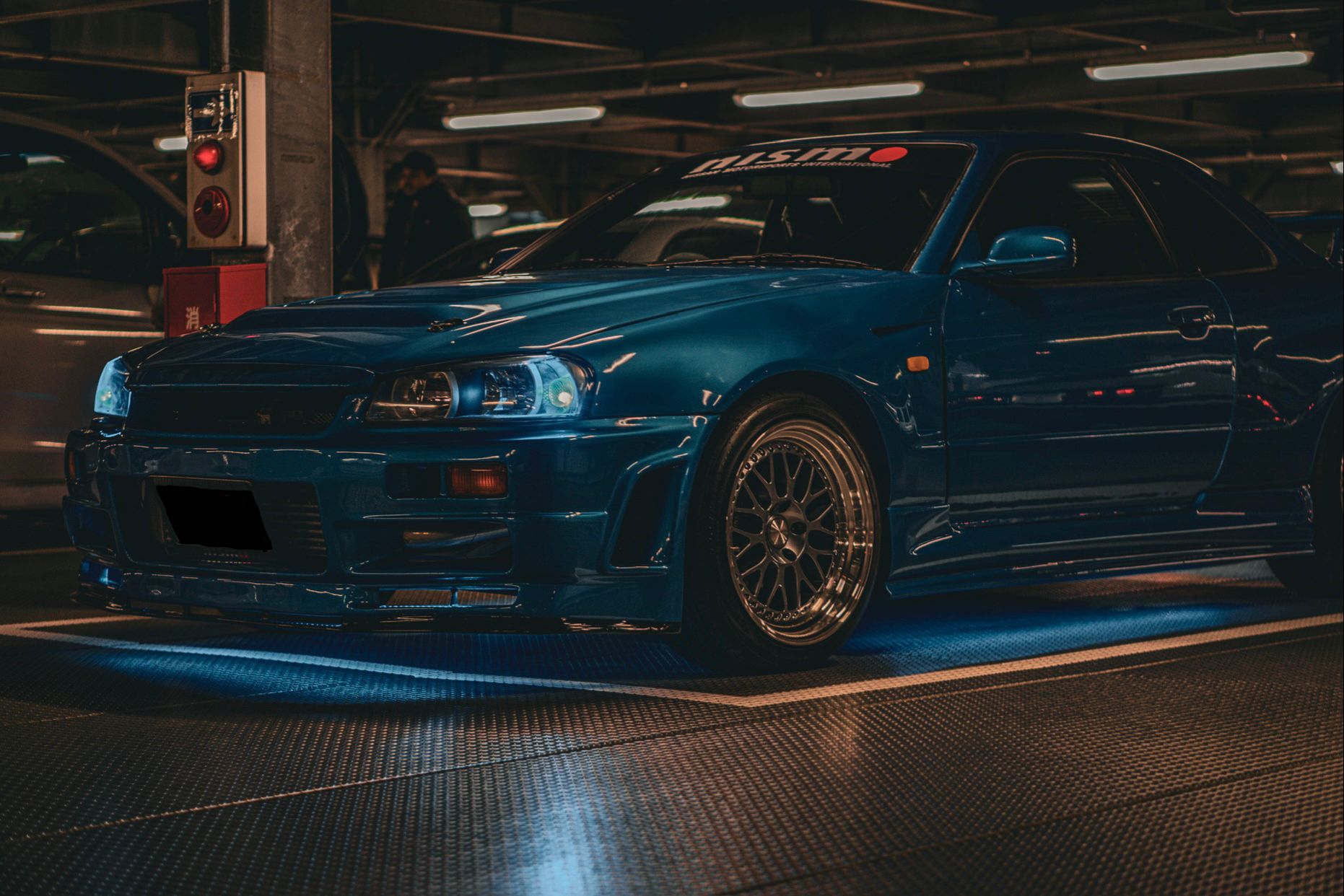
Tokyo Packing List — What You Actually Need Most Tokyo packing lists are generic travel advice with "Tokyo" inserted. This one focuses on what's actually specific to Japan — the climate extremes, the cultural details that change what you need, and the small items that repeatedly show up in "wish I'd packed this" conversations among returning travellers. The Seasonal Reality Japan has genuinely distinct seasons, and Tokyo packing changes dramatically depending on when you're visiting. Spring (March–May): Layers are essential. Early March can still be cold (5–12°C), while late May turns warm and humid (20–28°C). A packable jacket, a few light layers, and one warmer layer for evenings covers the range. Summer (June–August): Hot and genuinely humid — regularly 30°C+ with oppressive humidity, especially July–August. Pack light, breathable fabrics, and accept that you'll sweat through clothing daily. A small travel fan (sold everywhere in Japan too) is more useful than it sounds. Autumn (September–November): Similar layering logic to spring in reverse — warm and humid in September, cool and crisp by November. Typhoon season runs through October, so a compact umbrella matters more than a raincoat. Winter (December–February): Cold but rarely severe — typically 2–10°C, occasional light snow. A proper coat, not just layers, becomes necessary. Indoor heating is excellent everywhere, so you're mostly dressing for the walk between places. Footwear — More Important Than People Expect Tokyo is a walking city — most itineraries easily hit 15,000–20,000 steps a day between stations, attractions and general wandering. Comfortable, broken-in shoes matter more here than almost anywhere else you'll travel. There's a second consideration specific to Japan: shoe removal is frequent — at traditional restaurants, some temples, ryokans, and any Japanese home you might visit. Shoes that slip on and off easily save genuine time and awkwardness. Bring socks without holes; you will be looking at your own feet in public more than usual. What Japan's Culture Changes About Your Packing Cash still matters. Japan remains more cash-reliant than many visitors expect, particularly at smaller restaurants, temples and rural areas. A slim cash wallet or coin purse (Japan uses substantial coin denominations up to ¥500) is genuinely useful — most Japanese wallets have a coin compartment for exactly this reason. A portable WiFi device or eSIM — sorted before arrival — removes a surprising amount of daily friction, from navigation to translation to restaurant bookings that assume connectivity. Modesty at onsen and sento isn't about clothing but about tattoos — many traditional bathhouses still restrict visible tattoos, though this is loosening. If you have tattoos and want the full onsen experience, research tattoo-friendly locations ahead or pack adhesive cover patches as a backup. A reusable bag — convenience stores and many shops now charge for plastic bags, and Japan's excellent recycling culture means you'll generate less waste with one on hand. The Small Items People Wish They'd Packed Hand towel or handkerchief. Public restrooms in Japan frequently lack paper towels or hand dryers — locals carry a small towel for exactly this reason, and you'll wish you had too. A portable phone charger. Long days of navigation, photos and translation apps drain batteries fast, and convenience is not always near an outlet. Compression packing cubes, particularly if your trip includes both Tokyo and a ryokan stay — hotel and ryokan room sizes are considerably smaller than Western equivalents, and organised luggage matters more here. A light day bag or crossbody bag — separate from your main luggage, for daily excursions. Tokyo is exceptionally safe, but a bag that closes securely (rather than an open tote) is still sensible practice, particularly on crowded trains. What Genuinely Doesn't Need Packing Adapters beyond a basic one — Japan uses Type A plugs (same as the US) at 100V, so North American travellers need nothing special; others need only a basic adapter, widely available and cheap in Japan itself if forgotten. Extensive medication supplies — pharmacies are excellent and widespread, though note that some common Western medications (particularly certain decongestants and ADHD medications) are restricted or banned in Japan; research specific medications ahead if this applies to you. Formal wear, unless you have a specific reservation requiring it — Japan's dress culture is generally more casual than visitors expect, smart-casual covers nearly everything including good restaurants. One Specific Packing Note for Night Experiences If your Tokyo itinerary includes any evening activities — and Tokyo genuinely rewards planning at least one significant night out — pack accordingly: a layer for cooling evening temperatures even in warmer months, comfortable shoes for standing (not just walking), and a phone with charge for photos. This applies specifically to experiences like a guided JDM night tour to Daikoku Parking Area — several hours outdoors at night, often in a highway-adjacent, breezier environment than central Tokyo streets. A light jacket, even in summer, makes a meaningful difference to comfort during an evening spent partly outside a car at a highway parking area. Quick Reference — Packing by Season Season Key items Spring Layers, packable jacket, compact umbrella Summer Breathable fabrics, portable fan, sun protection Autumn Layers, umbrella (typhoon season), light coat by November Winter Proper coat, warm layers, gloves for outdoor evenings Year-round Comfortable slip-on shoes, hand towel, portable charger, cash wallet Planning an evening at Daikoku PA? Pack a light jacket — JDM Tokyo Tours runs private night tours from Akihabara, ¥90,000 per car, up to 3 guests. Instagram @jdmtokyotours.
1