
Blog guide
Tokyo Travel Guide for First-Timers — What Actually Matters
Published July 17, 2026 | By JDM Tokyo Tours
1
Tokyo is simultaneously the easiest and most overwhelming major city for a first visit. Easiest, because everything works: trains run to the second, streets are safe at 3am, and convenience stores solve most problems. Overwhelming, because the city is functionally endless and every neighbourhood could fill a day.
This guide covers what first-timers actually need — not a list of 100 attractions, but the framework decisions that determine whether your trip flows or fights you.
Where to Stay — The Decision That Shapes Everything
Your base determines your Tokyo. The four best options for first-timers:
Shinjuku — Maximum energy, maximum convenience. The world's busiest station, endless food, easy airport access. Downside: it can feel relentless.
Shibuya — Younger, slightly calmer than Shinjuku, excellent connections. Good middle ground.
Tokyo Station / Marunouchi — Polished and central, ideal for bullet-train day trips. Quieter at night.
Akihabara / Kanda — Underrated. Central, well-connected, cheaper than the west side, and home to some of Tokyo's most distinctive enthusiast culture. It's also where Tokyo's best night tour departs from — more on that below.
Getting Around — Simpler Than It Looks
The Tokyo rail map looks like spilled noodles. In practice: get a Suica or Pasmo card (or add one to your phone), tap in, tap out, and let Google Maps handle routing. It's near-flawless in Tokyo.
Taxis are clean and honest but expensive; trains stop around midnight, so plan late nights accordingly — or book experiences that include transport.
The First-Timer Checklist — Book These Before You Fly
Tokyo punishes spontaneity for a handful of experiences:
- teamLab Planets — books out 2–4 weeks ahead
- Ghibli Museum — books out months ahead
- Shibuya Sky at sunset — about a week ahead
- Any serious restaurant you specifically want — 2–4 weeks
- The JDM night tour (if your dates include a Friday or Saturday) — 1–2 weeks ahead, more in peak season
Everything else in Tokyo can be decided the same morning.
What to Actually Do — A First-Timer's Shortlist
The classics that live up to it: Senso-ji at dawn, Meiji Shrine, Shibuya Crossing, Tsukiji Outer Market breakfast, an izakaya night in Shinjuku.
The ones to skip: Robot Restaurant (a tourist show, not Japan), maid cafés unless you're genuinely curious, and any restaurant with a tout outside.
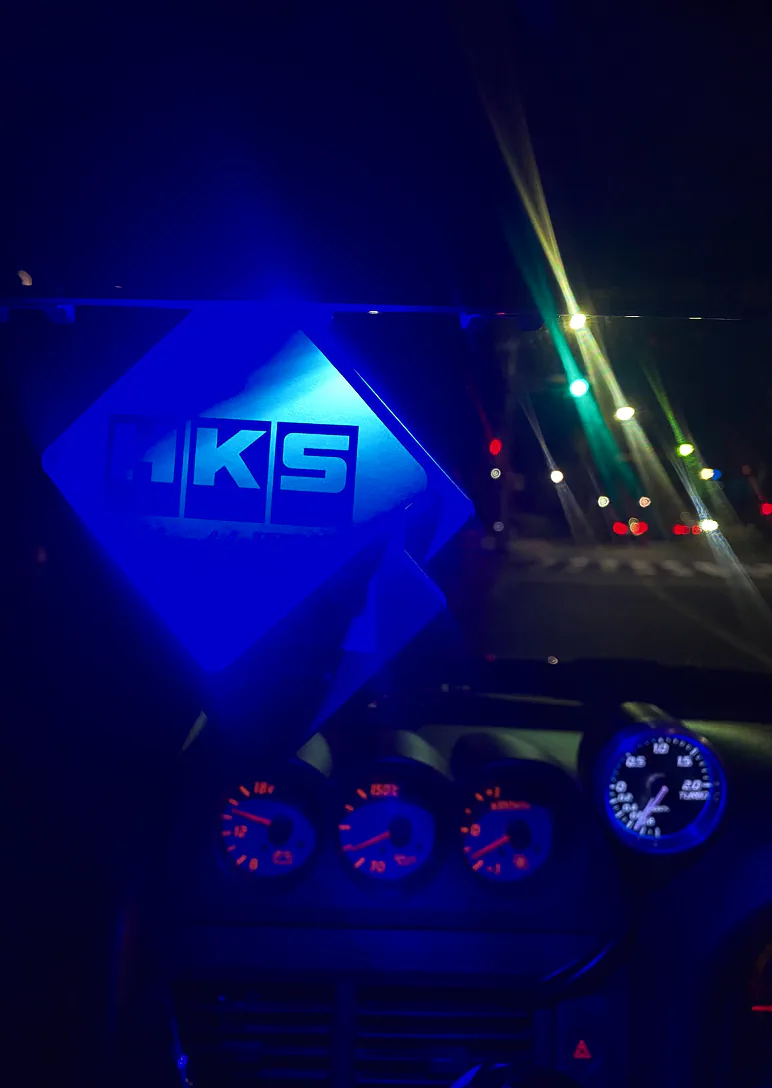
The wildcard that wins trips: Tokyo's night-time car culture. Every Friday and Saturday, hundreds of rare Japanese sports cars — Skyline GT-Rs, Supras, RX-7s — gather at Daikoku Parking Area near Yokohama. It's spontaneous, it's real, and it's inaccessible without a car (the site is on a highway interchange with no train or pedestrian access).
JDM Tokyo Tours runs private guided night tours there from Akihabara — real JDM sports car, English-speaking guide from the local scene, maximum 3 guests, covering the Wangan highway, Rainbow Bridge, Daikoku PA and Tatsumi PA in one evening. ¥90,000 per car flat.
First-timers consistently rank this among the best things they did in Japan — including the ones who came along without knowing anything about cars. If your group contains even one person who's ever played Gran Turismo, plan a Friday or Saturday around it.
Money, Etiquette and the Small Stuff
Cash still matters — carry ¥10,000–20,000; 7-Eleven ATMs take foreign cards reliably.
Tipping doesn't exist. Don't. It creates confusion, not gratitude.
Convenience stores are legitimately good — onigiri, coffee, fried chicken. No shame in a Lawson dinner after a long day.
Etiquette basics: queue for trains, stand left on Tokyo escalators, don't eat while walking, keep phone calls off trains. That covers 95% of situations.
Language: English signage is everywhere on transit. Google Translate's camera mode handles menus. For anything deeper — like talking to car owners at Daikoku PA — you'll want a guide who speaks Japanese, which is part of what makes guided experiences worth it here.
When to Visit
Best overall: Late March–April (cherry blossoms, book everything early) and November (autumn colour, crisp air). Great and underrated: October–February — clear skies, fewer crowds, and peak season for the car culture scene, which thrives in cool weather. January's Tokyo Auto Salon week produces the most spectacular Daikoku PA nights of the year. Toughest: August — hot, humid, and the quietest month for night car culture.
The night tour first-timers rave about: JDM Tokyo Tours, departing Akihabara. ¥90,000 per car, up to 3 guests, English guide. Book via Instagram @jdmtokyotours.