
Blog guide
What Is JDM? Japanese Domestic Market Cars Explained for Tourists
Published April 20, 2026 | By JDM Tokyo Tours
You have heard the term everywhere: on forums, in movies, and across years of car-culture mythology. JDM is short to say and easy to romanticize, but for many visitors to Japan the real meaning is still blurry until they finally see the scene in person.
This guide breaks down what JDM actually means, why these cars matter so much, where the culture lives around Tokyo, and how international visitors can experience it properly instead of only watching it online.
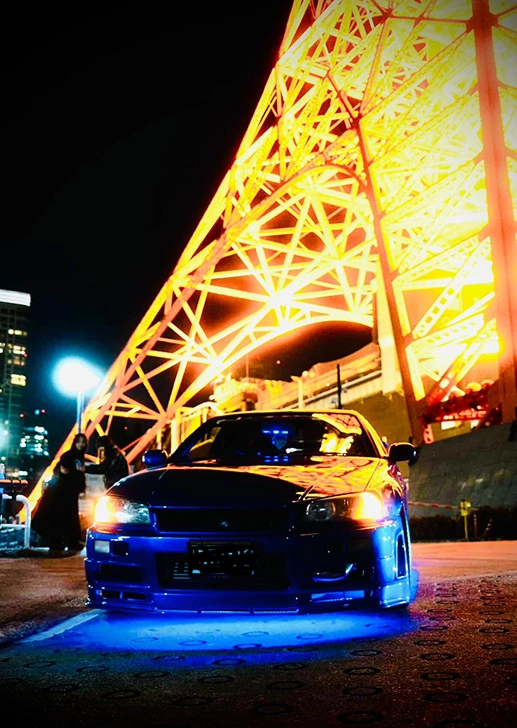
What Does JDM Actually Stand For?
JDM stands for Japanese Domestic Market. In the strictest sense, it refers to vehicles and parts built specifically for sale inside Japan. That means cars made to Japanese regulations, specifications, and buyer preferences rather than export-market expectations.
The term grew far beyond that literal definition in the 1990s and early 2000s, when enthusiasts in places like the United States, Australia, New Zealand, and the United Kingdom began importing Japanese cars that had never officially been sold in their home countries.
Over time, JDM stopped meaning only a market category. It became shorthand for a wider culture: Japanese engineering, Japanese aesthetics, and the subcultures built around these machines on the streets of Tokyo, Yokohama, and Osaka.
Why Are JDM Cars So Special?
Several factors came together in the 1980s and 1990s to make Japanese domestic market cars feel different from almost everything else on the road.
The Gentleman's Agreement
Japanese manufacturers informally capped official horsepower claims at 280 horsepower, even when the real output was clearly higher. That helped create a generation of cars with understated spec sheets and a reputation for hidden performance.
Technology years ahead of exports
Japan often received features that export markets did not. Cars such as the Nissan Skyline GT-R R34 paired advanced all-wheel drive, all-wheel steering, and driver-focused displays in a way that felt years ahead of what many overseas buyers could access.
Homologation specials
Manufacturers also built serious road cars to satisfy motorsport rules. The Mitsubishi Lancer Evolution and Subaru Impreza WRX STI were not just sporty sedans. They were road-legal machines shaped directly by rally competition.
The styling and tuning language
JDM culture developed its own visual grammar: wide-body kits, aggressive aero, distinctive wheel setups, and modifications tied to street driving, circuits, and highway culture. Walk through Daikoku PA on a strong night and that language is still visible everywhere.
The Cars That Defined JDM Culture
You do not need to be an expert to enjoy Tokyo's car scene, but these names help you read the room once you are standing in the middle of it.
Nissan Skyline GT-R
The R32, R33, R34, and now R35 GT-R models carry almost mythical status. The R34 especially became a global symbol through games, films, and years of internet obsession.
Toyota Supra
The A80 Supra and its 2JZ engine became legendary for strength, tuning potential, and cultural reach. For many visitors, seeing a clean Japanese-spec Supra in person still feels surreal.
Mazda RX-7
The FD RX-7 represents everything people love about the rotary era: light weight, sharp balance, turbocharged character, and an engine note unlike anything else in production-car history.
Honda NSX
Japan's answer to Ferrari combined a mid-engine layout, aluminum construction, and genuine supercar ambition. It proved Japanese performance culture could also operate at the highest end.
Lancer Evolution and Impreza WRX STI
These two rally-bred nameplates turned practical sedans into icons. They matter because they brought motorsport logic directly onto public roads in forms ordinary buyers could actually own.
JDM Culture Goes Beyond the Cars
JDM is not only about specifications. It is also about places, rituals, etiquette, and the way enthusiasts gather around the machines.
Daikoku Parking Area in Yokohama is the best-known meeting point. On the right weekend night, it becomes a live snapshot of Japanese car culture that no museum can reproduce.
Tatsumi PA brings a different feel: smaller, more central, and often more local in energy. Meanwhile, the Wangan Bayshore Route carries the highway mythology that defined a huge part of Tokyo's performance identity.
Beyond the city, touge mountain roads shaped another side of the culture entirely. Together, parking areas, expressways, tuning shops, and mountain passes create the full picture people mean when they talk about JDM.
How International Visitors Experience JDM in Tokyo
The hardest part is not appreciating the culture. It is accessing it. Daikoku PA requires a car, public transport does not take you there, and the strongest nights still depend on timing and local judgment.
That is why guided experiences exist. A strong local tour solves transport, language, timing, and context at once. Instead of guessing which lot is active or whether you have arrived too late, you are moving with someone who already understands the rhythm of the scene.
JDM Tokyo Tours runs guided experiences from Akihabara with routes that can include Daikoku PA, Tatsumi PA, and the Wangan highway network. If your main goal is the famous parking-area experience, our Daikoku PA night tour is the most direct place to start.
Frequently Asked Questions About JDM
Do I need to know a lot about cars to enjoy it?
No. Curiosity matters more than technical knowledge. The visual impact of seeing dozens of rare Japanese performance cars gathered under expressway lights is strong even if you cannot identify every chassis code.
Are JDM cars illegal in other countries?
Not inherently. Many simply were not officially sold overseas. Import rules vary by country, but age-based exemptions in places like the United States and Canada are a major reason the global JDM community became so strong.
Is JDM culture dying out?
It is evolving more than disappearing. Some icons are now collector cars instead of rough street machines, but a new generation keeps the culture active, and Tokyo's night scene still matters.
What is the best way to experience it in Tokyo?
For most international visitors, a guided night drive is the cleanest option. It removes the access problem and replaces guesswork with an actual route through the real scene.
Where to Start
If you want to turn the idea of JDM into a real Tokyo night, begin by comparing the available tour formats. For dates and availability, you can also message @jdmtokyotours on Instagram.